


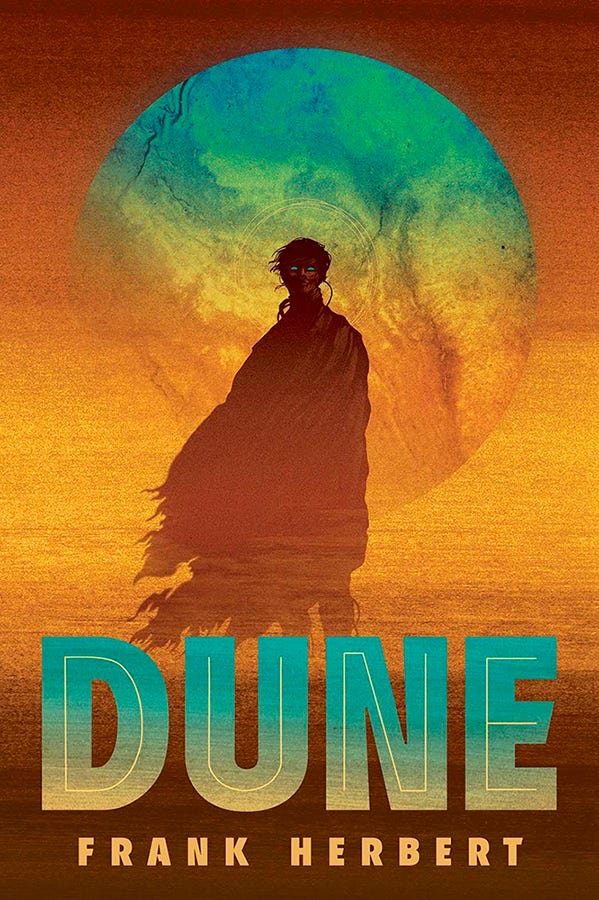
One of my most formative definitions of humanity came when I was about twelve years old and I encountered the concept of enduring pain for a greater good. This idea that some pains are borne because you have a longer term goal was pretty new to me. In the book Dune by Frank Herbert it is framed as such:
You’ve heard of animals chewing off a leg to escape a trap? There’s an animal kind of trick. A human would remain in the trap, endure the pain, feigning death that he might kill the trapper and remove a threat to his kind.
~Frank Herbert
As much does when you’re twelve years old, this one stuck with me and informed my world view. The instinctual response, the “animal” response, is to escape from pain and discomfort. But the “human” response is to evaluate and strategize. Pain is always a question: is this a pain that I should escape or is this a pain I should endure? Is there a choice to that moves me towards my goal?
Delayed gratification. Discipline. Stoicism. Patience. It’s all words for the same shit. And we all learn this to some extent growing up. A mature and healthy outlook on life recognizes that these are positive concepts to an extent. We recognize the wrong approaches pretty frequently..
You get passed over for a promotion at work and the person worth half of you gets it instead. The animal response is to rant and rave. Quit your job on the spot. The human response is to calm down and think about your options.
You get hurt while doing a sport so you quit.
Someone you love says something hurtful so you get angry, lash out, and then ignore them.
You had a really bad day so you decide to do some retail therapy even though you’ve blown your budget for the month.
You get the extra piece of pie. You skip the study group. You pour that extra finger of bourbon.
So this concept, even at twelve years old, was perfectly recognizable. I knew that delayed gratification and discipline were positives. But the framing was unique. Consider that this very concept bifurcates everyone into two camps. The rational, crafty, long-thinking “human.”. And the emotional, short-thinking and out of control “animal.” Both looking exactly the same on the surface but one is superior. One is a human and the other is just a human-shaped animal.

It took me a long time to recognize that Herbert wasn’t actually advocating for a purely “human” outlook. That there was more to being human than just always being focused on your long term goal and ruthlessly quashing anything else. I believe Herbert was hinting that love and emotion and honor mattered too. Approaching the whole world with a purely rational transaction mindset is…twisted. And in fact at one point that’s exactly how the Harkonnens are described - as twisted humans.
And yet, the opposite is even more true. To always react like an animal is absurd. Lashing out at everything that hurts you. Mindlessly seeking pleasure with no eye towards the future. As humans one of our gifts is the ability to imagine and strive for a better future. An animal just exists but humanity improves.
While searching for the quote above I stumbled upon someone who went into much deeper, and much more spoiler-y, territory on Dune. This is a fantastic essay if you’ve read Dune:

Conclusion
There really isn’t one in this case. This is the best type of question, one that doesn’t have a single answer. Instead the answer is situational. Instead I think the answer is one of balance. We are not only humans, nor should we always be animals. Instead we should walk the line of understanding both.
Squirt Says…
I would mostly agree with us being on the border animal and being our own thing. We as humans are much smarter. We understand that it’s better to play the long game sometimes. Animals have trouble thinking ahead. On the other hand we evolved from animals. Animals think like us the aren’t really that different. They just aren’t as smart.
Dad Responds…
Trouble thinking ahead is exactly it. Along with the ability to believe in fictions and stories and apply those mental models.